

I did not have trouble falling asleep. I had trouble staying asleep.
Like clockwork, I would wake up at 3 a.m. Sometimes to pee. Sometimes for no reason at all. Once awake, my brain felt switched on. And that was enough to derail the rest of the night.
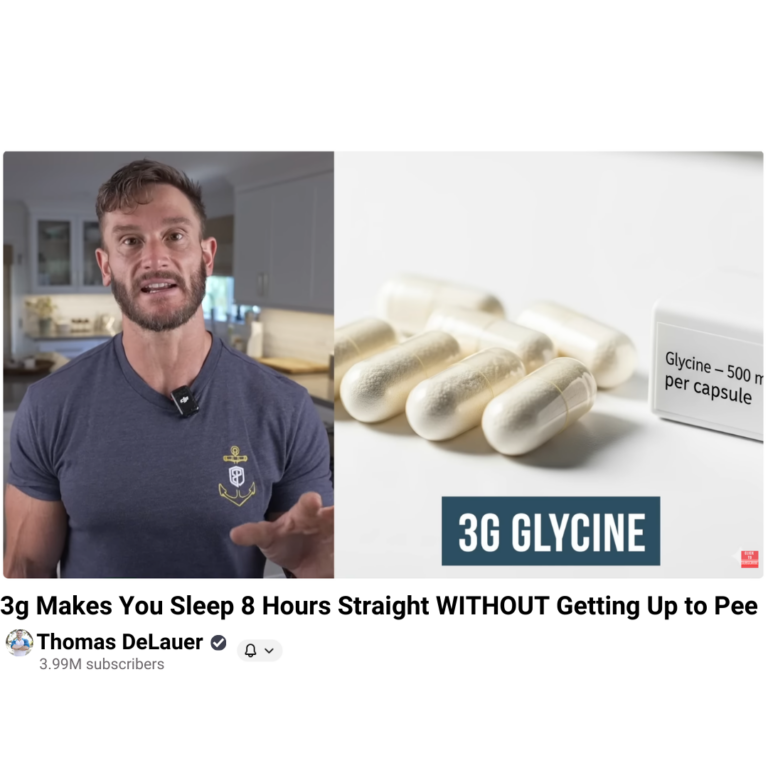
I searched “Why am I waking up in the middle of the night” and landed on this YouTube video:
High Cortisol Wakes You Up at 3AM (Do This to Fall Back Asleep).

In it, Thomas DeLauer explains that middle-of-the-night wakeups are rarely random. They are often driven by measurable physiological shifts:
- Rising cortisol
- Subtle drops in brain energy
- Bladder signaling
- Changes in core body temperature
- Micro-arousals that tip you fully awake.
That part made sense. But what caught my attention was what he recommended to address it.
He started talking about 3 grams of glycine taken about an hour before bed. Human trials showing improvements in REM sleep, sleep quality, and fewer nighttime awakenings.
Then he referenced nocturia research. The same three-gram dose reduces nighttime bathroom trips. Only after walking through the dosing did he mention a product that actually used those amounts.
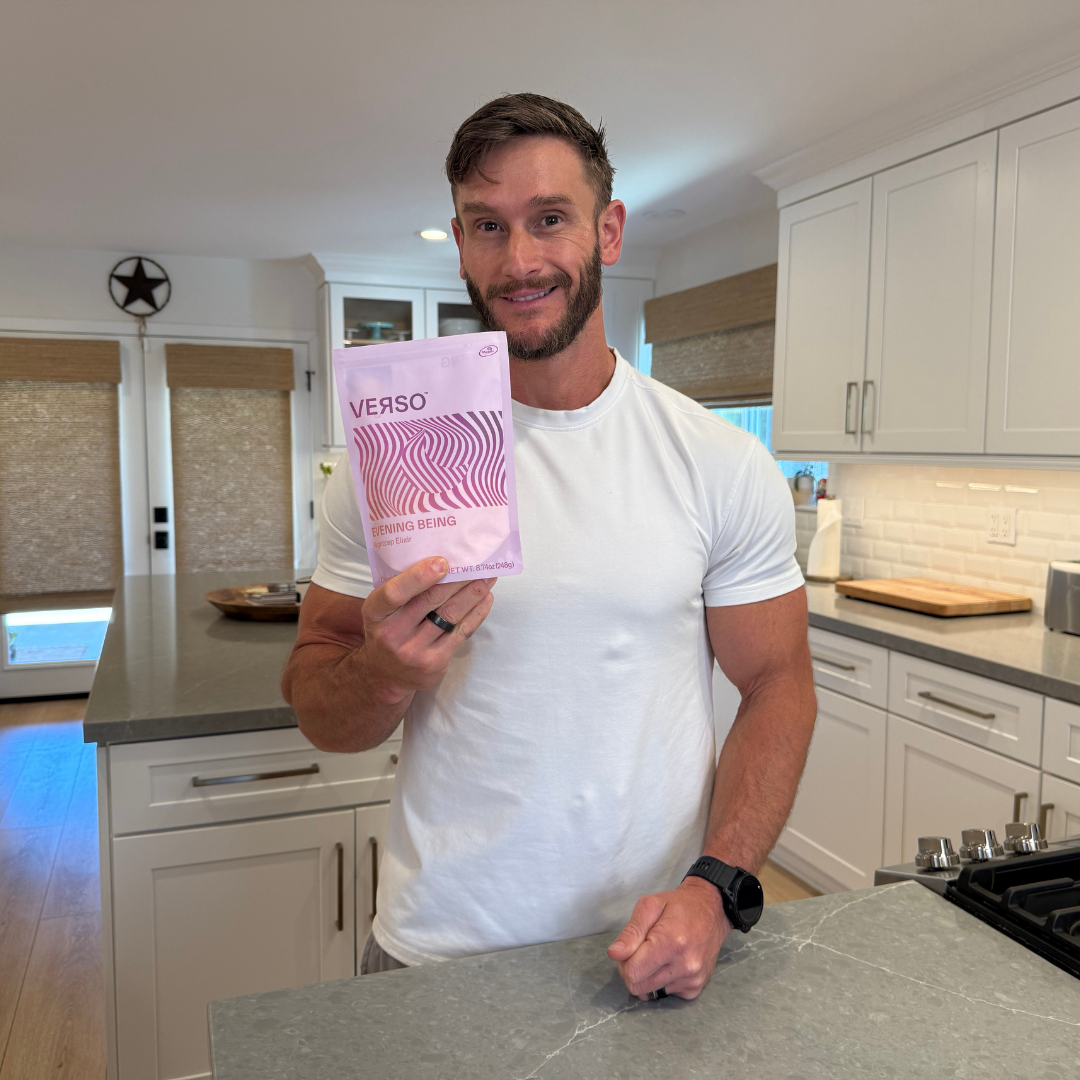
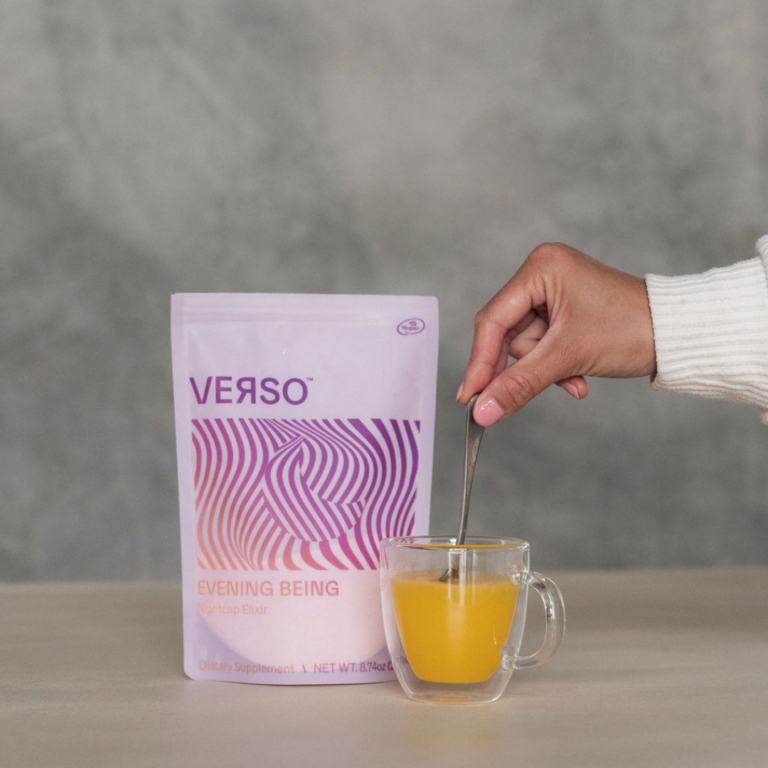
It was called Evening Being.
And that is when I paid attention. Because he was not leading with the product. He was leading with the research.
Why 3 a.m. Happens
If I was waking at 3 a.m., something was triggering it.
Thomas had already explained the possible culprits. So the real question became: what stabilizes those triggers?
That is where glycine becomes relevant.
It helps your body cool down at night, which is one of the strongest biological signals for staying asleep. It also quiets the nerve signals that can wake you up, including the ones coming from your bladder.
In one human study, three grams daily reduced nocturnal urination episodes, reduced urgency, and increased time before the first wake. By week two of taking Evening Being, I noticed something I had not experienced in years.
I was sleeping through the night without getting up to use the bathroom.
The Emotional Charge
Before Evening Being, even when I did not need to pee, my brain felt slightly activated. Sleep fragmentation is strongly linked to nighttime stress activation.
Evening Being uses a clinically studied saffron extract called Affron®. In multiple randomized, placebo-controlled trials it showed improvements in sleep quality, mood, anxiety, and cortisol regulation. In a sleep study, evening saffron improved sleep ratings and reduced stress scores in adults with poor sleep.
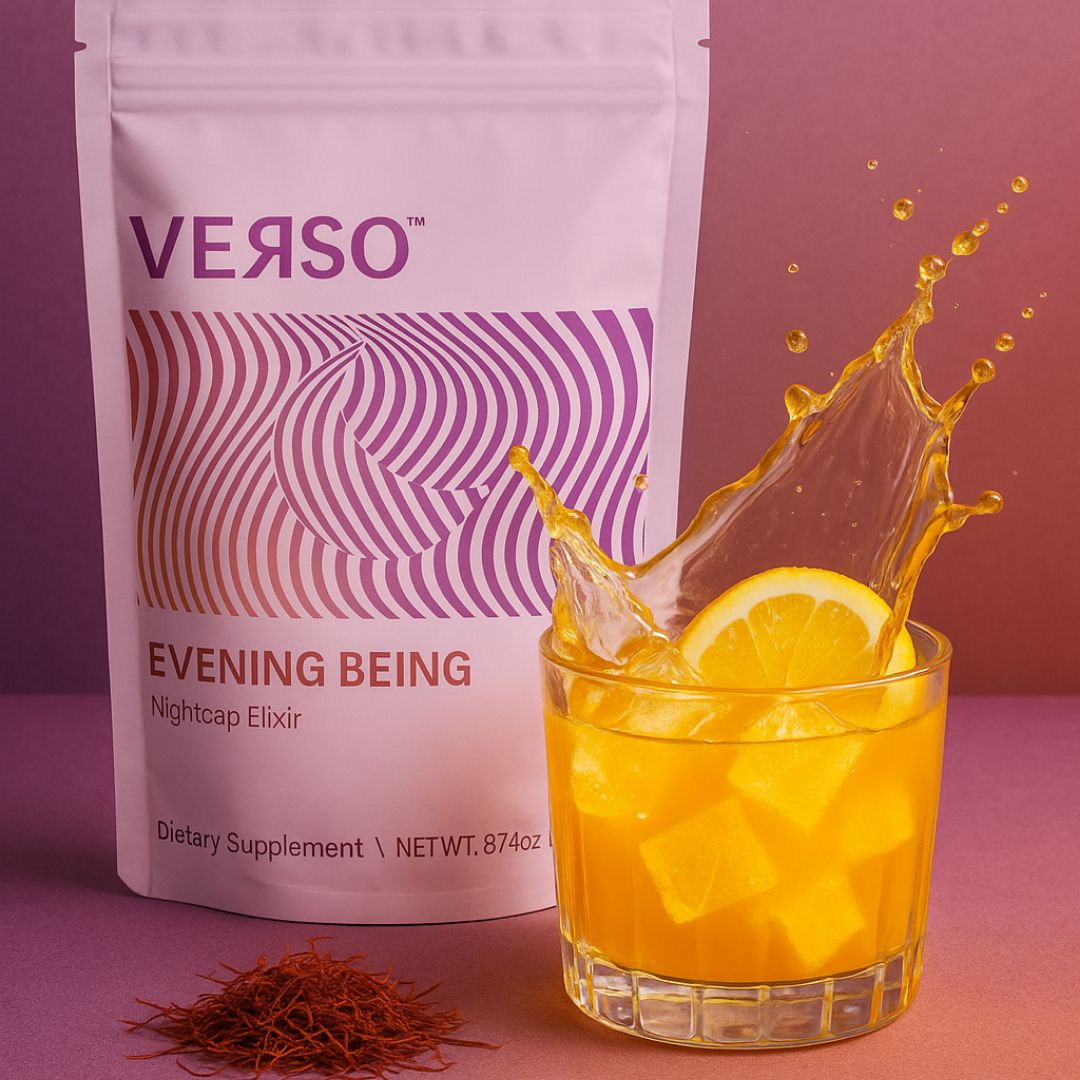
The effective dose used in those trials is 28 mg per day. Evening Being uses the clinical dose 28 mg of Affron®.
Mechanistically, saffron modulates serotonin, dopamine, and norepinephrine reuptake. It reduces oxidative stress and has demonstrated improvements in non-REM sleep.
It does not knock you out. It lowers emotional charge.
By week three, something subtle shifted. When I woke briefly, my brain did not feel activated. That was new.
Calm, Not Sedated
Some nights I would wake and feel wired.
Thomas described L-theanine as calming and synergistic with glycine, particularly for reducing that wired-but-awake feeling in the middle of the night.

A specific type of L-theanine branded as AlphaWave® L-theanine at 200 mg has been studied in a triple-blind, placebo-controlled trial showing increased alpha brain wave activity and reduced salivary cortisol.
Alpha waves are associated with relaxed wakefulness. The study showed significant cortisol reduction one hour after dosing. Evening Being contains that exact clinically studied L-theanine at the same 200 mg dose.
Theanine does not induce drowsiness. It reduces hyper-alertness. At 3 a.m., that distinction matters.
Why Magnesium Matters
Magnesium plays a central role in regulating NMDA receptor activity, GABA signaling, HPA axis stress response, and sleep architecture.
Most magnesium forms do not effectively raise brain magnesium levels. Magtein® is the only magnesium form shown to significantly increase magnesium levels in the brain.
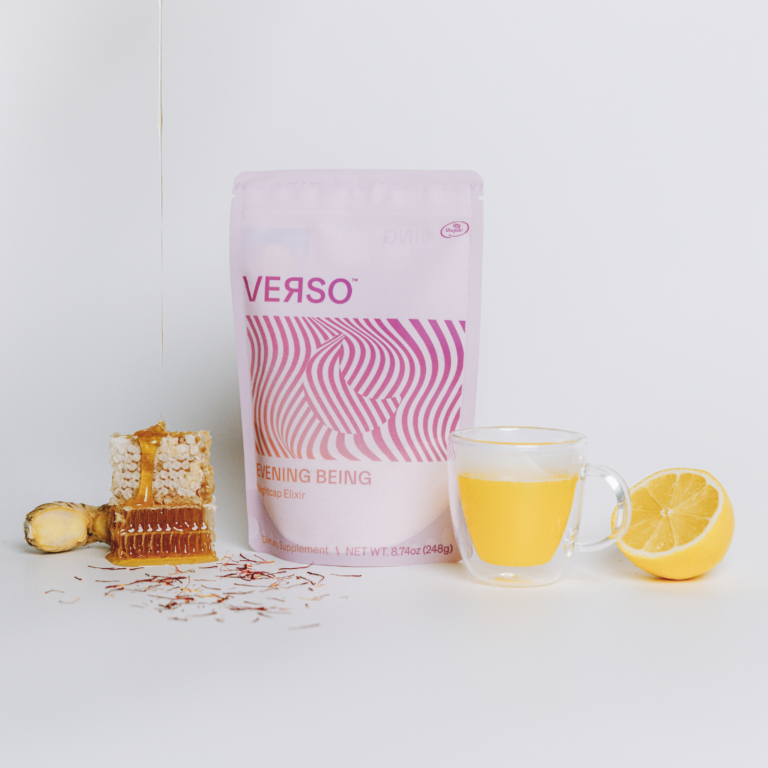
Human trials show Magtein® improves anxiety, sleep quality, and cognitive performance.
Evening Being uses Magtein®, not a generic oxide or citrate. If nighttime wakeups are driven by excitatory overload, brain-available magnesium matters.
My Ultimate Take on Evening Being

That was exactly it.I did not need to be sedated. I needed the triggers removed. The temperature shifts. The bladder signal. The cortisol spike. The wired feeling.
Evening Being addressed those, using the same doses studied in human sleep research.
My nights became quieter. Fewer wakeups. No 3 a.m. spiral. No grogginess the next morning. Just sleep that felt complete.
If you fall asleep easily but keep waking up, Evening Being is worth trying.